

Cow Donation Online
Every act of kindness creates a positive impact, especially when it helps animals and people in need. Supporting a udaipur cow donation initiative is one of the most meaningful ways to contribute to society. Along with caring for cows, many charitable organizations also arrange packed food for donation in Udaipur to help underprivileged families, laborers, and homeless individuals receive nutritious meals.
https://www.youtube.com/channel/UCDkmlAJlzI-ZJMD0BKE8Ljg
By participating in these initiatives, donors become a part of a larger mission that promotes compassion, sustainability, and community welfare. Moreover, every contribution, whether small or large, helps improve the lives of countless beneficiaries.
Why Support Cow Donation Initiatives?
Cows have long been respected for their importance in Indian culture and rural life. Many rescued or abandoned cows require proper shelter, medical care, and nutritious food. Therefore, donating to a trusted cow welfare initiative helps ensure they receive the attention they deserve.
A cow shed donation also contributes toward maintaining clean shelters, veterinary treatments, fresh fodder, and daily care. As a result, rescued animals can live in a safer and healthier environment.
The Importance of Packed Food Donations
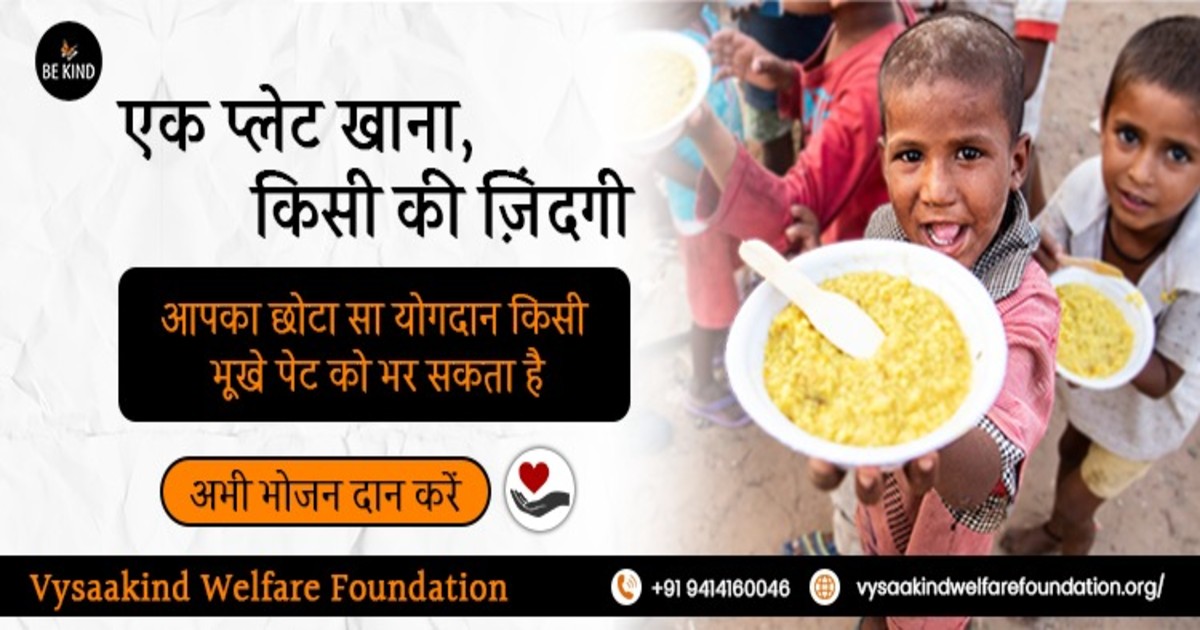
Food insecurity continues to affect many families across different communities. Consequently, packed food for donation in Udaipur plays a vital role in supporting individuals who struggle to access regular meals.
Freshly packed food is distributed to people in need, including:
• Daily wage workers
• Homeless individuals
• Elderly citizens
• Children from economically weaker families
• Patients and caregivers at hospitals
Furthermore, organized food donation drives ensure meals are prepared hygienically and distributed responsibly.
Benefits of Making a Cow Shed Donation
Supporting a cow shed donation program offers long-term benefits for animal welfare and society. Your contribution can help provide:
• Nutritious fodder for rescued cows
• Clean drinking water
• Medical treatment and vaccinations
• Shelter maintenance
• Better sanitation facilities
• Rescue and rehabilitation efforts
Additionally, these donations strengthen organizations dedicated to protecting vulnerable animals throughout the year.
How Your Donation Makes a Difference
Every donation, regardless of its size, contributes to meaningful change. For instance, one contribution may help feed rescued cows, while another may provide packed meals for families facing financial hardship.
Likewise, consistent support enables charitable organizations to expand their outreach programs and serve more people and animals. Therefore, donors become valuable partners in building a more compassionate community.
Be Part of a Positive Change
If you wish to support both animal welfare and humanitarian causes, consider contributing through a reliable initiative. A udaipur cow donation campaign, along with packed food for donation in Udaipur and cow shed donation programs, creates lasting social impact.
Ultimately, your generosity can provide food, shelter, care, and hope to those who need it most. Together, we can build a kinder future where no rescued cow goes hungry and no vulnerable person is left without a meal. Even a single donation today can inspire positive change for many lives tomorrow.
Every act of kindness creates a positive impact, especially when it helps animals and people in need. Supporting a udaipur cow donation initiative is one of the most meaningful ways to contribute to society. Along with caring for cows, many charitable organizations also arrange packed food for donation in Udaipur to help underprivileged families, laborers, and homeless individuals receive nutritious meals.
https://www.youtube.com/channel/UCDkmlAJlzI-ZJMD0BKE8Ljg
By participating in these initiatives, donors become a part of a larger mission that promotes compassion, sustainability, and community welfare. Moreover, every contribution, whether small or large, helps improve the lives of countless beneficiaries.
Why Support Cow Donation Initiatives?
Cows have long been respected for their importance in Indian culture and rural life. Many rescued or abandoned cows require proper shelter, medical care, and nutritious food. Therefore, donating to a trusted cow welfare initiative helps ensure they receive the attention they deserve.
A cow shed donation also contributes toward maintaining clean shelters, veterinary treatments, fresh fodder, and daily care. As a result, rescued animals can live in a safer and healthier environment.
The Importance of Packed Food Donations
Food insecurity continues to affect many families across different communities. Consequently, packed food for donation in Udaipur plays a vital role in supporting individuals who struggle to access regular meals.
Freshly packed food is distributed to people in need, including:
• Daily wage workers
• Homeless individuals
• Elderly citizens
• Children from economically weaker families
• Patients and caregivers at hospitals
Furthermore, organized food donation drives ensure meals are prepared hygienically and distributed responsibly.
Benefits of Making a Cow Shed Donation
Supporting a cow shed donation program offers long-term benefits for animal welfare and society. Your contribution can help provide:
• Nutritious fodder for rescued cows
• Clean drinking water
• Medical treatment and vaccinations
• Shelter maintenance
• Better sanitation facilities
• Rescue and rehabilitation efforts
Additionally, these donations strengthen organizations dedicated to protecting vulnerable animals throughout the year.
How Your Donation Makes a Difference
Every donation, regardless of its size, contributes to meaningful change. For instance, one contribution may help feed rescued cows, while another may provide packed meals for families facing financial hardship.
Likewise, consistent support enables charitable organizations to expand their outreach programs and serve more people and animals. Therefore, donors become valuable partners in building a more compassionate community.
Be Part of a Positive Change
If you wish to support both animal welfare and humanitarian causes, consider contributing through a reliable initiative. A udaipur cow donation campaign, along with packed food for donation in Udaipur and cow shed donation programs, creates lasting social impact.
Ultimately, your generosity can provide food, shelter, care, and hope to those who need it most. Together, we can build a kinder future where no rescued cow goes hungry and no vulnerable person is left without a meal. Even a single donation today can inspire positive change for many lives tomorrow.
Cow Donation Online
Every act of kindness creates a positive impact, especially when it helps animals and people in need. Supporting a udaipur cow donation initiative is one of the most meaningful ways to contribute to society. Along with caring for cows, many charitable organizations also arrange packed food for donation in Udaipur to help underprivileged families, laborers, and homeless individuals receive nutritious meals.
https://www.youtube.com/channel/UCDkmlAJlzI-ZJMD0BKE8Ljg
By participating in these initiatives, donors become a part of a larger mission that promotes compassion, sustainability, and community welfare. Moreover, every contribution, whether small or large, helps improve the lives of countless beneficiaries.
Why Support Cow Donation Initiatives?
Cows have long been respected for their importance in Indian culture and rural life. Many rescued or abandoned cows require proper shelter, medical care, and nutritious food. Therefore, donating to a trusted cow welfare initiative helps ensure they receive the attention they deserve.
A cow shed donation also contributes toward maintaining clean shelters, veterinary treatments, fresh fodder, and daily care. As a result, rescued animals can live in a safer and healthier environment.
The Importance of Packed Food Donations
Food insecurity continues to affect many families across different communities. Consequently, packed food for donation in Udaipur plays a vital role in supporting individuals who struggle to access regular meals.
Freshly packed food is distributed to people in need, including:
• Daily wage workers
• Homeless individuals
• Elderly citizens
• Children from economically weaker families
• Patients and caregivers at hospitals
Furthermore, organized food donation drives ensure meals are prepared hygienically and distributed responsibly.
Benefits of Making a Cow Shed Donation
Supporting a cow shed donation program offers long-term benefits for animal welfare and society. Your contribution can help provide:
• Nutritious fodder for rescued cows
• Clean drinking water
• Medical treatment and vaccinations
• Shelter maintenance
• Better sanitation facilities
• Rescue and rehabilitation efforts
Additionally, these donations strengthen organizations dedicated to protecting vulnerable animals throughout the year.
How Your Donation Makes a Difference
Every donation, regardless of its size, contributes to meaningful change. For instance, one contribution may help feed rescued cows, while another may provide packed meals for families facing financial hardship.
Likewise, consistent support enables charitable organizations to expand their outreach programs and serve more people and animals. Therefore, donors become valuable partners in building a more compassionate community.
Be Part of a Positive Change
If you wish to support both animal welfare and humanitarian causes, consider contributing through a reliable initiative. A udaipur cow donation campaign, along with packed food for donation in Udaipur and cow shed donation programs, creates lasting social impact.
Ultimately, your generosity can provide food, shelter, care, and hope to those who need it most. Together, we can build a kinder future where no rescued cow goes hungry and no vulnerable person is left without a meal. Even a single donation today can inspire positive change for many lives tomorrow.