

• digital marketing agency for ngo

    In today’s fast-evolving digital landscape, nonprofits are no longer limited to traditional outreach methods. Instead, they are embracing innovative strategies to amplify their impact. A nonprofit digital marketing agency plays a crucial role in helping organizations grow visibility, increase donations, and build long-term engagement. Therefore, understanding how digital marketing works for NGOs is essential for sustainable success.

    https://share.google/AaiVVsPtB79cx7ioq

    Why NGOs Need Digital Marketing
    Nonprofits often operate with limited resources; however, their mission requires maximum reach. Digital marketing bridges this gap effectively. For instance, it enables NGOs to connect with global audiences, share compelling stories, and encourage real-time participation.
    Moreover, ngo marketing ensures that organizations can build trust and credibility. While traditional campaigns were effective in the past, digital tools now allow targeted communication. As a result, campaigns become more measurable and impactful.

    Role of a Nonprofit Digital Marketing Agency
    A nonprofit digital marketing agency provides specialized services tailored to the unique needs of NGOs. These agencies understand donor behavior, volunteer engagement, and storytelling strategies. Consequently, they create campaigns that resonate emotionally and drive action.
    Additionally, services often include:
    • Social media management
    • Search engine optimization (SEO)
    • Content marketing
    • Email campaigns
    • Paid advertising strategies
    For example, an agency may design a campaign that highlights real-life impact stories. These stories are then distributed across platforms to maximize engagement. At the same time, performance metrics are analyzed to refine future campaigns.

    Digital Marketing for NGO Growth
    Digital marketing for ngo initiatives focuses on awareness, fundraising, and community building. First, awareness campaigns help NGOs reach new audiences. Second, fundraising campaigns convert interest into financial support. Finally, community-building strategies ensure long-term relationships.
    Furthermore, SEO plays a major role in visibility. When users search for causes or charitable organizations, optimized websites rank higher. Therefore, NGOs must invest in keyword-driven content and technical optimization.
    You can explore expert services here: 👉 nonprofit digital marketing agency

    Key Strategies for NGO Marketing Success
    1. Storytelling with Purpose
    Compelling storytelling is essential. Donors are more likely to engage when they see real impact. Thus, NGOs must focus on authentic narratives.
    2. Social Media Engagement
    Platforms like Facebook, Instagram, and LinkedIn allow direct interaction. Moreover, consistent posting builds trust and visibility over time.
    3. Email Marketing Campaigns
    Email remains one of the most effective tools. While social media reaches broad audiences, email nurtures deeper connections.
    4. Data-Driven Decisions
    Analytics tools help track performance. As a result, NGOs can adjust strategies based on real-time insights.
    5. Mobile Optimization
    Since most users access content via smartphones, mobile-friendly websites are essential. Otherwise, potential donors may leave quickly.
    Benefits of Hiring Experts
    While some NGOs attempt in-house marketing, professional agencies bring expertise and efficiency. For instance, they stay updated with algorithm changes and industry trends. Additionally, campaigns are executed with precision and consistency.
    On one hand, outsourcing may seem costly; however, it often delivers higher returns. On the other hand, internal teams may lack specialized skills. Therefore, partnering with experts becomes a strategic investment.
    Challenges in NGO Digital Marketing
    Despite its advantages, digital marketing for NGOs comes with challenges. Limited budgets, lack of technical expertise, and content saturation can hinder growth. Nevertheless, these challenges can be overcome with the right strategy.
    For example, focusing on niche audiences can improve engagement rates. Similarly, leveraging partnerships and collaborations can expand reach without increasing costs.
    Future of Nonprofit Digital Marketing
    The future of ngo marketing is driven by innovation and personalization. Artificial intelligence, automation, and data analytics will continue to shape campaigns. Consequently, NGOs must adapt to stay relevant.
    Furthermore, transparency and authenticity will remain key factors. Donors increasingly prefer organizations that demonstrate measurable impact. Therefore, clear communication and regular updates are essential.
    Conclusion
    In conclusion, a nonprofit digital marketing agency is a powerful partner for NGOs aiming to grow in the digital age. Through strategic planning, storytelling, and data-driven campaigns, organizations can achieve greater impact. Moreover, digital marketing for ngo initiatives ensures sustainability and long-term engagement.
    digital marketing agency for ngo In today’s fast-evolving digital landscape, nonprofits are no longer limited to traditional outreach methods. Instead, they are embracing innovative strategies to amplify their impact. A nonprofit digital marketing agency plays a crucial role in helping organizations grow visibility, increase donations, and build long-term engagement. Therefore, understanding how digital marketing works for NGOs is essential for sustainable success. https://share.google/AaiVVsPtB79cx7ioq Why NGOs Need Digital Marketing Nonprofits often operate with limited resources; however, their mission requires maximum reach. Digital marketing bridges this gap effectively. For instance, it enables NGOs to connect with global audiences, share compelling stories, and encourage real-time participation. Moreover, ngo marketing ensures that organizations can build trust and credibility. While traditional campaigns were effective in the past, digital tools now allow targeted communication. As a result, campaigns become more measurable and impactful. Role of a Nonprofit Digital Marketing Agency A nonprofit digital marketing agency provides specialized services tailored to the unique needs of NGOs. These agencies understand donor behavior, volunteer engagement, and storytelling strategies. Consequently, they create campaigns that resonate emotionally and drive action. Additionally, services often include: • Social media management • Search engine optimization (SEO) • Content marketing • Email campaigns • Paid advertising strategies For example, an agency may design a campaign that highlights real-life impact stories. These stories are then distributed across platforms to maximize engagement. At the same time, performance metrics are analyzed to refine future campaigns. Digital Marketing for NGO Growth Digital marketing for ngo initiatives focuses on awareness, fundraising, and community building. First, awareness campaigns help NGOs reach new audiences. Second, fundraising campaigns convert interest into financial support. Finally, community-building strategies ensure long-term relationships. Furthermore, SEO plays a major role in visibility. When users search for causes or charitable organizations, optimized websites rank higher. Therefore, NGOs must invest in keyword-driven content and technical optimization. You can explore expert services here: 👉 nonprofit digital marketing agency Key Strategies for NGO Marketing Success 1. Storytelling with Purpose Compelling storytelling is essential. Donors are more likely to engage when they see real impact. Thus, NGOs must focus on authentic narratives. 2. Social Media Engagement Platforms like Facebook, Instagram, and LinkedIn allow direct interaction. Moreover, consistent posting builds trust and visibility over time. 3. Email Marketing Campaigns Email remains one of the most effective tools. While social media reaches broad audiences, email nurtures deeper connections. 4. Data-Driven Decisions Analytics tools help track performance. As a result, NGOs can adjust strategies based on real-time insights. 5. Mobile Optimization Since most users access content via smartphones, mobile-friendly websites are essential. Otherwise, potential donors may leave quickly. Benefits of Hiring Experts While some NGOs attempt in-house marketing, professional agencies bring expertise and efficiency. For instance, they stay updated with algorithm changes and industry trends. Additionally, campaigns are executed with precision and consistency. On one hand, outsourcing may seem costly; however, it often delivers higher returns. On the other hand, internal teams may lack specialized skills. Therefore, partnering with experts becomes a strategic investment. Challenges in NGO Digital Marketing Despite its advantages, digital marketing for NGOs comes with challenges. Limited budgets, lack of technical expertise, and content saturation can hinder growth. Nevertheless, these challenges can be overcome with the right strategy. For example, focusing on niche audiences can improve engagement rates. Similarly, leveraging partnerships and collaborations can expand reach without increasing costs. Future of Nonprofit Digital Marketing The future of ngo marketing is driven by innovation and personalization. Artificial intelligence, automation, and data analytics will continue to shape campaigns. Consequently, NGOs must adapt to stay relevant. Furthermore, transparency and authenticity will remain key factors. Donors increasingly prefer organizations that demonstrate measurable impact. Therefore, clear communication and regular updates are essential. Conclusion In conclusion, a nonprofit digital marketing agency is a powerful partner for NGOs aiming to grow in the digital age. Through strategic planning, storytelling, and data-driven campaigns, organizations can achieve greater impact. Moreover, digital marketing for ngo initiatives ensures sustainability and long-term engagement.
    0 Kommentare ·0 Geteilt ·13K Ansichten
  • How Do Modern Home Elevators Reduce Energy and Environmental Impact?

    Modern home elevators are designed to offer comfort while also focusing on energy efficiency and sustainability. With advanced technologies, these elevators help reduce electricity consumption and minimize environmental impact. Features like energy-efficient drive systems and traction technology use counterweights, which reduce the load on motors and save power.

    Another important feature is regenerative drive technology, which converts excess energy into reusable electricity, lowering overall energy usage. Additionally, modern elevators use LED lighting systems that consume less power and automatically switch off when not in use. Smart control systems further enhance efficiency by optimizing elevator movement and reducing unnecessary trips.

    Eco-friendly materials and compact designs also play a major role in reducing the carbon footprint. These elevators require less construction and operate on low power, making them ideal for modern homes. Overall, energy-efficient home elevators are a smart investment that supports both cost savings and a greener environment.

    https://656db1b19dbfa.site123.me/blog/how-do-modern-home-elevators-reduce-energy-and-environmental-impact

    #homeelevators #modernhomeelevators
    #energyefficientelevators #ecofriendlyelevators #greenelevators #smartelevators #elevatortechnology #sustainableliving #energysaving #homeimprovement

    How Do Modern Home Elevators Reduce Energy and Environmental Impact? Modern home elevators are designed to offer comfort while also focusing on energy efficiency and sustainability. With advanced technologies, these elevators help reduce electricity consumption and minimize environmental impact. Features like energy-efficient drive systems and traction technology use counterweights, which reduce the load on motors and save power. Another important feature is regenerative drive technology, which converts excess energy into reusable electricity, lowering overall energy usage. Additionally, modern elevators use LED lighting systems that consume less power and automatically switch off when not in use. Smart control systems further enhance efficiency by optimizing elevator movement and reducing unnecessary trips. Eco-friendly materials and compact designs also play a major role in reducing the carbon footprint. These elevators require less construction and operate on low power, making them ideal for modern homes. Overall, energy-efficient home elevators are a smart investment that supports both cost savings and a greener environment. https://656db1b19dbfa.site123.me/blog/how-do-modern-home-elevators-reduce-energy-and-environmental-impact #homeelevators #modernhomeelevators #energyefficientelevators #ecofriendlyelevators #greenelevators #smartelevators #elevatortechnology #sustainableliving #energysaving #homeimprovement
    0 Kommentare ·0 Geteilt ·9K Ansichten
  • orphanage donation

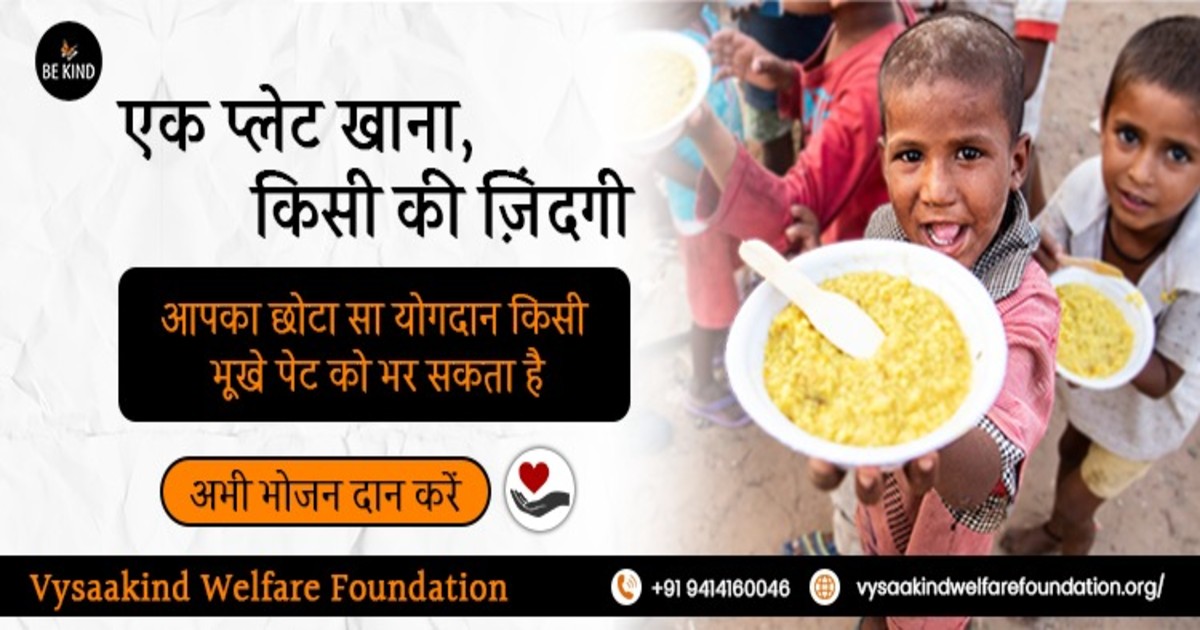
    India is known for its communal warmth, yet hunger continues to plague thousands of children in orphanages. In the face of these challenges, donating to orphanages and sponsoring food donations in India is a significant opportunity for donors to help the most vulnerable. No amount is too little to ensure a child goes to bed without hunger.
    Why is Food Donation so Imperative in India
    Donating food is among the beginning humanitarian deeds anyone can do, yet most orphanages have to rely on the goodwill of the community to curb hunger among the children. If there is no food, children do not eat. If there is no donation, the orphanages go without food.
    Inadequate nutrition, affects growth, education, and overall psychological well-being of children, so it is almost impossible to promote healthy development in the children experiencing food insecurity. Volunteers who donate food do a great job to give children a better life.
    The act of donating food brings a sense of warmth and care, and is among the best gestures to help children turn the page to new, happier chapters of their lives. Hope and kindness live in other people’s good deeds.
    Orphandage Donations: A Case Study
    There are a variety of benfits resulting from donating to an orphanage. Donations create a wider impact beyond the meal, they help improve the health of the children.
    The following are examples of resources acquired from donations.
    Food support
    nurtitional meals everyday
    healthy snacks and fruits
    emergency food support
    Special holiday meals
    Because children are able to recieve food support, they are able to attain the needed concentration and assisstance to support their education and developmental goals. Additionally, the support from the community promotes the continued sustainability of the orphanages.
    An Explanation of Your Food Donation
    Your food donation has a value. It allows the collection of food to be diverted to the preparation of the meals and the serving of the meals.
    Your food donation allows food programs to assist in the procurement of meals for the children. The children are in need of meals.
    Food donation programs are designed to provide food support to children in need. Donors have the right to expect fulfillment of this purpose, and to make their donations with the assurance that food support is being provided to children in need.
    Food Donation: A Guide for India
    You are able to support food donations in India in a number of ways. Additionally, your support in food donations in India does not need to require a large financial contribution.
    Provide meal sponsorship for a day at the orphanage.
    Give food items like rice, pulses, and groceries.
    Assist in the distribution of food.
    Motivate your family and friends.
    Make donations to reliable charity organizations on a regular basis.
    Also, donating some of your time to help with the preparation and/or distribution of the meals can help a lot.

    https://vysaakindwelfarefoundation.org/food-donation/
    orphanage donation India is known for its communal warmth, yet hunger continues to plague thousands of children in orphanages. In the face of these challenges, donating to orphanages and sponsoring food donations in India is a significant opportunity for donors to help the most vulnerable. No amount is too little to ensure a child goes to bed without hunger. Why is Food Donation so Imperative in India Donating food is among the beginning humanitarian deeds anyone can do, yet most orphanages have to rely on the goodwill of the community to curb hunger among the children. If there is no food, children do not eat. If there is no donation, the orphanages go without food. Inadequate nutrition, affects growth, education, and overall psychological well-being of children, so it is almost impossible to promote healthy development in the children experiencing food insecurity. Volunteers who donate food do a great job to give children a better life. The act of donating food brings a sense of warmth and care, and is among the best gestures to help children turn the page to new, happier chapters of their lives. Hope and kindness live in other people’s good deeds. Orphandage Donations: A Case Study There are a variety of benfits resulting from donating to an orphanage. Donations create a wider impact beyond the meal, they help improve the health of the children. The following are examples of resources acquired from donations. Food support nurtitional meals everyday healthy snacks and fruits emergency food support Special holiday meals Because children are able to recieve food support, they are able to attain the needed concentration and assisstance to support their education and developmental goals. Additionally, the support from the community promotes the continued sustainability of the orphanages. An Explanation of Your Food Donation Your food donation has a value. It allows the collection of food to be diverted to the preparation of the meals and the serving of the meals. Your food donation allows food programs to assist in the procurement of meals for the children. The children are in need of meals. Food donation programs are designed to provide food support to children in need. Donors have the right to expect fulfillment of this purpose, and to make their donations with the assurance that food support is being provided to children in need. Food Donation: A Guide for India You are able to support food donations in India in a number of ways. Additionally, your support in food donations in India does not need to require a large financial contribution. Provide meal sponsorship for a day at the orphanage. Give food items like rice, pulses, and groceries. Assist in the distribution of food. Motivate your family and friends. Make donations to reliable charity organizations on a regular basis. Also, donating some of your time to help with the preparation and/or distribution of the meals can help a lot. https://vysaakindwelfarefoundation.org/food-donation/
    Feed a Hungry Soul. Change a Life | Food Donation for Poor & Orphans
    vysaakindwelfarefoundation.org
    Feed a hungry soul and change a life! Food Donation & Donate Food Online: Food Donation Near Me for poor and orphanage children with Vysaa Welfare.
    0 Kommentare ·0 Geteilt ·17K Ansichten
  • Did you know tha we have wrong habits when comes to save our planet?

    #Science #sustainability #Habits


    https://www.sciencefocus.com/planet-earth/5-easy-wins-environment
    Did you know tha we have wrong habits when comes to save our planet? #Science #sustainability #Habits https://www.sciencefocus.com/planet-earth/5-easy-wins-environment
    5 sustainability habits you think are helping the planet – but probably aren’t | BBC Science Focus Magazine
    www.sciencefocus.com
    Confusing and outdated messaging could be holding you back from being a keen, green, Earth-saving machine…
    Like
    2
    · 0 Kommentare ·0 Geteilt ·13K Ansichten
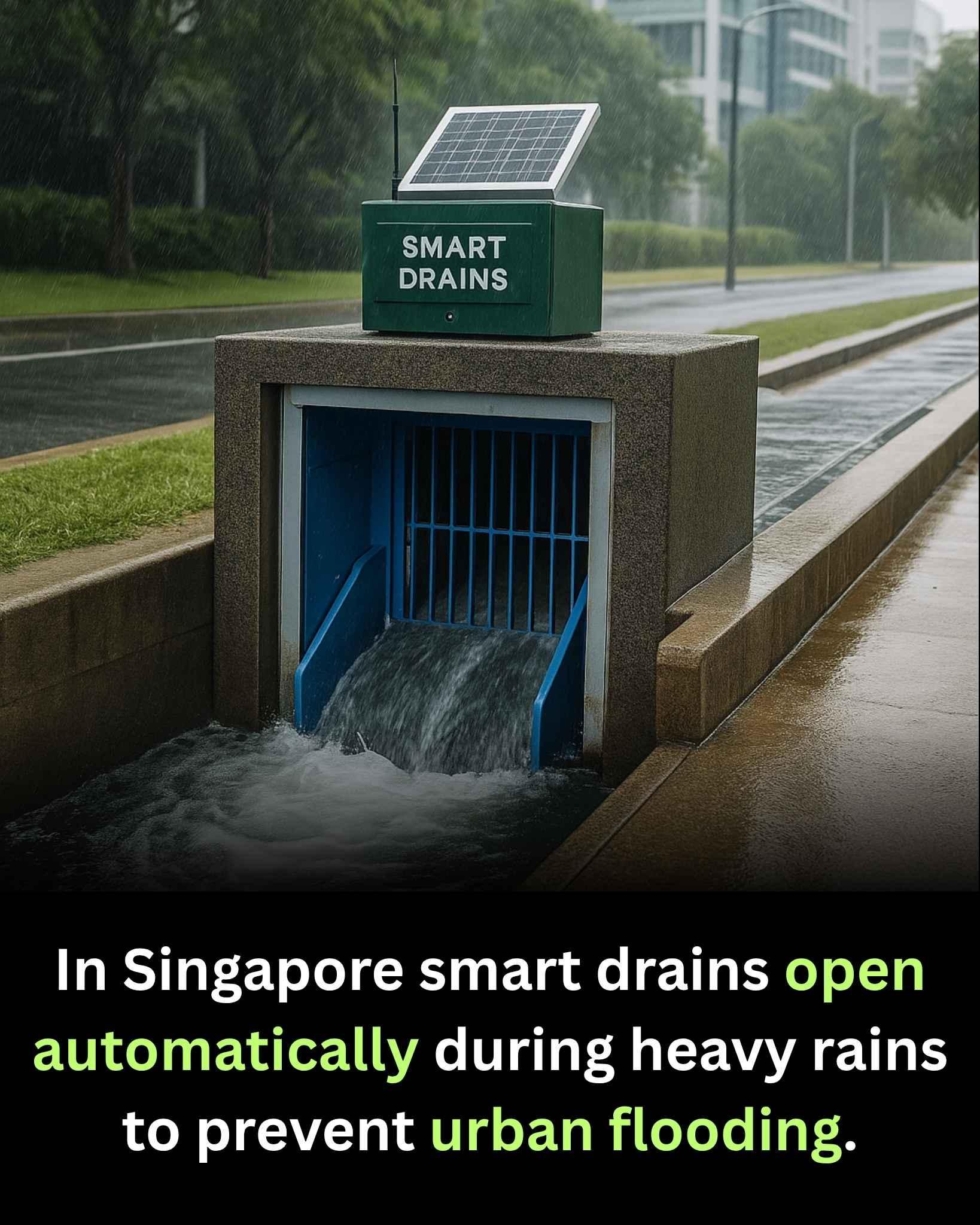
  • In Singapore, advanced urban infrastructure is tackling the growing challenge of flash floods with the introduction of smart drains.
    These drainage systems are equipped with sensors that monitor rainfall intensity, water levels, and flow rates in real time. When heavy rain is detected, the smart drains automatically open their gates or adjust flow channels to direct excess water away from vulnerable areas, reducing the risk of urban flooding.

    The system is linked to a central control network, allowing authorities to respond instantly to changing weather conditions. In some cases, the drains can work in coordination with detention tanks and flood barriers, creating a layered defense against sudden downpours.
    This automation not only protects streets and properties but also minimizes disruption to traffic and public services.

    Singapore’s approach reflects its forward-thinking urban planning, where technology and sustainability go hand in hand. By preventing water from accumulating in low-lying areas, the smart drains help protect both infrastructure and the daily lives of residents.
    As climate change increases the frequency of extreme weather events, such innovations could serve as a model for other flood-prone cities worldwide.

    #UrbanResilience #FloodPrevention #SmartCitySolutions

    Credits: Fact 27
    In Singapore, advanced urban infrastructure is tackling the growing challenge of flash floods with the introduction of smart drains. These drainage systems are equipped with sensors that monitor rainfall intensity, water levels, and flow rates in real time. When heavy rain is detected, the smart drains automatically open their gates or adjust flow channels to direct excess water away from vulnerable areas, reducing the risk of urban flooding. The system is linked to a central control network, allowing authorities to respond instantly to changing weather conditions. In some cases, the drains can work in coordination with detention tanks and flood barriers, creating a layered defense against sudden downpours. This automation not only protects streets and properties but also minimizes disruption to traffic and public services. Singapore’s approach reflects its forward-thinking urban planning, where technology and sustainability go hand in hand. By preventing water from accumulating in low-lying areas, the smart drains help protect both infrastructure and the daily lives of residents. As climate change increases the frequency of extreme weather events, such innovations could serve as a model for other flood-prone cities worldwide. #UrbanResilience #FloodPrevention #SmartCitySolutions Credits: Fact 27
    0 Kommentare ·0 Geteilt ·26K Ansichten